
A collaborative training in Tunis brings new tools, perspectives, and momentum for climate resilience.
As climate impacts intensify across the Mediterranean, including rising sea temperatures, accelerating loss of Posidonia meadows, declining fish stocks, and increasing pressures on coastal communities, Tunisia’s Marine and Coastal Protected Areas (AMCPs) are navigating an increasingly complex management reality. In response to these challenges, the MPA4Change project, together with WWF Mediterranean, WWF North Africa, the Blue South Med (BSM) project, and the Global Environment Facility (GEF), organised a two-day capacity-building training in Tunis on 28-29 October 2025.
The training brought together 11 participants from Tunisian NGOs, conservation organisations, and environmental institutions, along with a representative from SPA/RAC. For many attendees, this was an opportunity not only to learn new tools, but also to reconnect around a shared goal: strengthening the resilience of Tunisia’s coastal and marine ecosystems in the face of a changing climate.
A space for learning, dialogue, and reflection
From the first day, the training created an open and collaborative atmosphere. Participants shared experiences from their AMCPs. Stories of restored habitats, but also of places where pressures continue to grow, especially in regions such as the Gulf of Gabès, where the disappearance of Posidonia meadows has reached alarming levels.
These exchanges set the stage for the introduction of the three MPA4Change toolkits:
- Climate Change Vulnerability Assessment (CVA)
- Participatory Approaches
- Adaptation and Mitigation Plans
Each module combined theory, examples, and practical exercises, allowing participants to connect new knowledge with the challenges they face on the ground.
Understanding vulnerability: the first step toward action
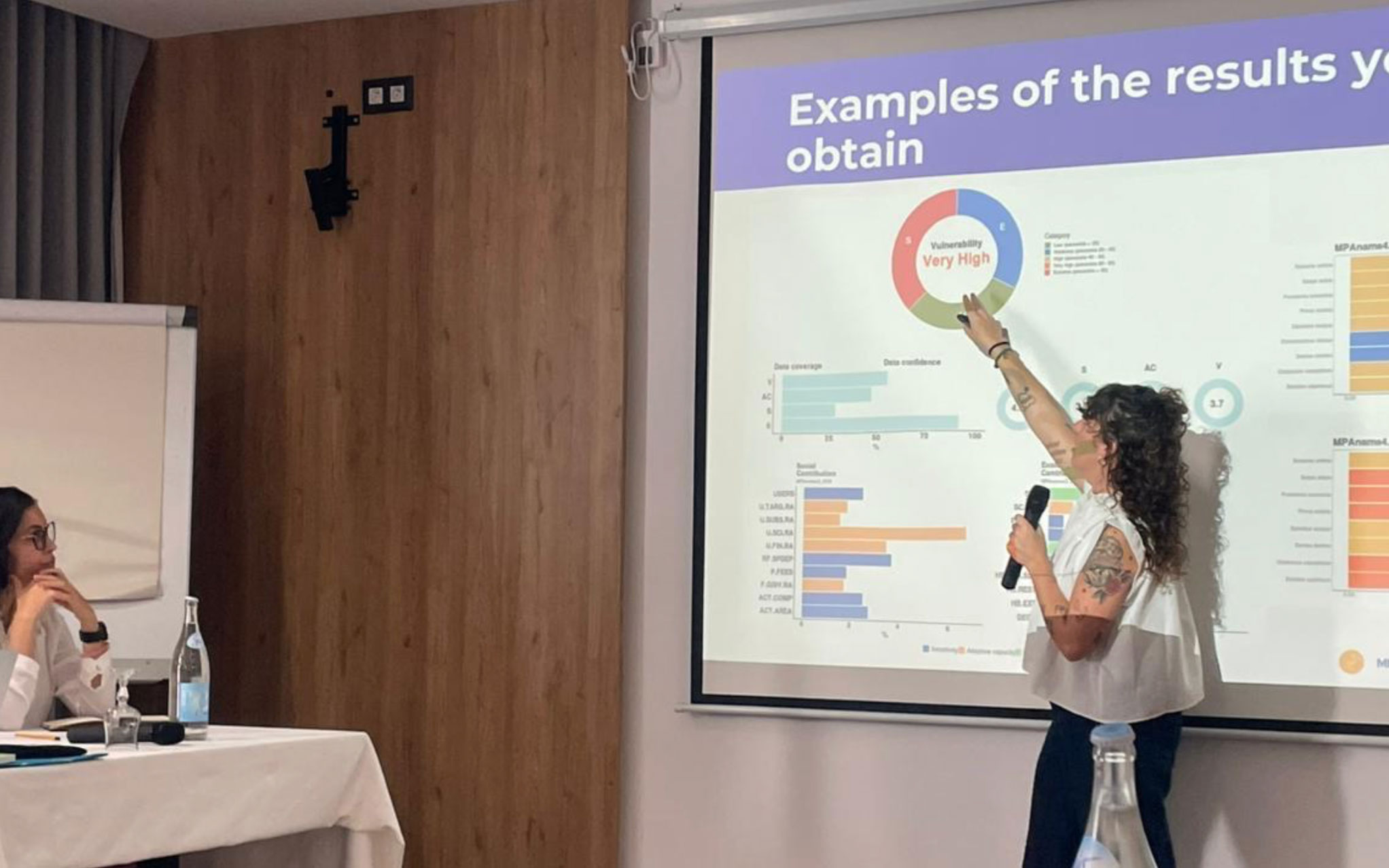
Silvia Rayo Luengo – Future Oceans Lab (CIM-UVigo)
The session on Climate Change Vulnerability Assessment guided participants through the logic of assessing vulnerability across species, habitats, and human activities. Through discussions and examples, participants explored the three components of vulnerability:
- Exposure: the intensity and frequency of climate pressures such as warming, heatwaves, or sea level rise.
- Sensitivity: how species, habitats, or user groups are affected by these pressures.
- Adaptive capacity: the ability of ecosystems and communities to cope, adapt, or reorganise.
Participants recognised that many AMCPs face significant data gaps, particularly in long-term ecological monitoring, and expressed the need for clearer standards and shared methodologies. Despite these challenges, they noted that applying the CVA framework would help them identify priority risks and communicate them more effectively to decision makers.
Putting people at the centre: participatory approaches
The second module focused on stakeholder engagement, emphasizing that climate adaptation is not only a technical process but also a social one. Participants explored different categories of stakeholders (fishers, tourism operators, local associations, scientists, municipal authorities), and reflected on their roles, interests, and concerns.
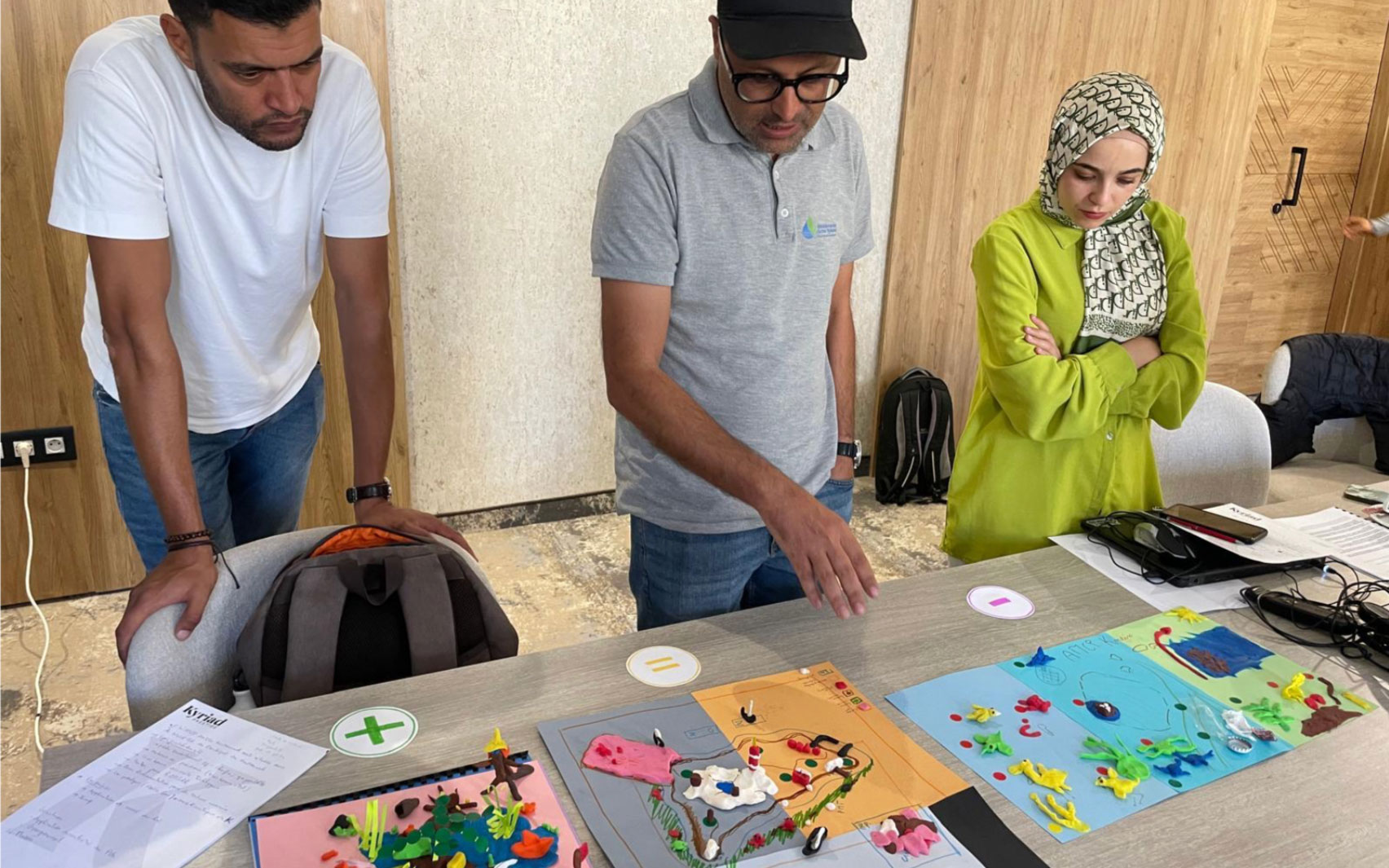
Silvia Rayo Luengo – Future Oceans Lab (CIM-UVigo)
Discussions highlighted the importance of continuous dialogue, transparency, and trust-building, especially in contexts where local communities may feel excluded or overburdened by regulations. Several participants shared positive experiences with citizen science and fisher-led monitoring, noting how these approaches help create shared responsibility and strengthen compliance.
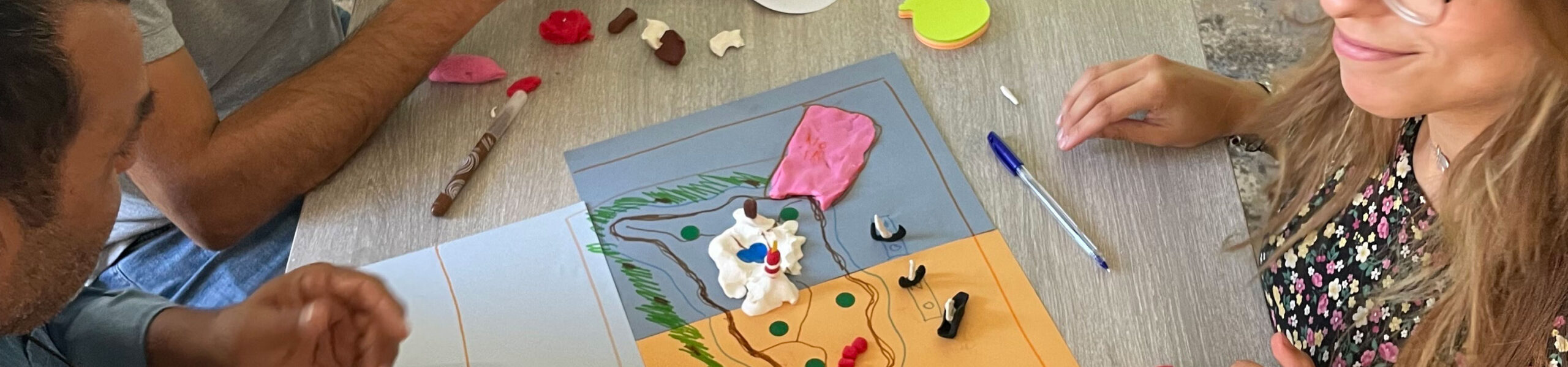
A creative scenario exercise invited participants to imagine their MPAs under three possible futures: an optimistic scenario, a business-as-usual trajectory, and a pessimistic vision dominated by climate impacts and conflicts. This activity sparked lively discussions and helped participants visualise how climate change could reshape their AMCPs, and what solutions could be mobilised to avoid the worst outcomes.
Designing the path forward: adaptation and mitigation plans
The final module focused on Climate Change Adaptation Plans, providing a step-by-step framework that MPA managers can use to design responses tailored to their local context. Participants learned how to:
- define the scope and objectives of the plan,
- align it with Tunisia’s National Adaptation Plan (2018),
- link CVA results to concrete actions,
- prioritise measures based on feasibility, resources, and urgency,
- and establish indicators to monitor progress.
The session also addressed the importance of integrating adaptation and mitigation measures into existing management documents rather than developing isolated plans. This approach, participants agreed, will help ensure continuity, institutional support, and long-term implementation.
A step forward for Tunisian MPAs
By the end of the two days, participants expressed a strong sense of motivation and commitment. The training provided them not only with practical tools but also with a renewed perspective on how climate adaptation can be approached in a structured, collaborative, and locally meaningful way.
The exchanges, the scenario exercise, and the reflections shared by the group highlighted a clear message: while climate change poses significant threats, Tunisian AMCPs have the capacity and the will to respond, especially when supported by coordinated efforts, shared knowledge, and participatory processes.